334.262.1911



Location
516 SOUTH PERRY STREET MONTGOMERY, ALABAMA 36104

516 SOUTH PERRY STREET MONTGOMERY, ALABAMA 36104
1-866-224-8664
Protecting the people of Alabama for over 45 years
McPhillips Shinbaum, LLP has built its reputation on being “The People’s Law Firm.” Senior partner Julian McPhillips founded this firm in 1978 to provide the people of Alabama with top-quality legal services at an affordable cost. Our firm represents clients throughout Alabama in cases involving:
| Personal injury | Employment law |
Our lawyers battle in court against insurance companies, government agencies and businesses to provide our clients with the relief that they are looking for. No matter what legal problems you may have, the lawyers at McPhillips Shinbaum, LLC have the experience, knowledge and skill to get you the best possible results in your case.
We believe in one simple principle — “To Give Dignity to a Person is Above All Things.”
Our firm is dedicated to providing every client that enters our office with the personal attention and respect they deserve. Our attorneys pride themselves on being available for our clients at all times and have a friendly and knowledgeable staff of legal professionals ready to assist them with your case. We have helped thousands of clients receive the results that they deserved, and our attorneys stand ready to help you today.
Call today at 334.262.1911 or contact the firm online to schedule an initial consultation. McPhillips Shinbaum, LLP represents clients throughout Alabama, including Montgomery, Autauga, and Elmore counties.





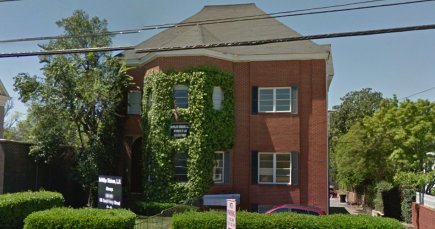

McPhillips Shinbaum, LLP is located in Montgomery, AL and serves clients in and around Montgomery, Cecil, Coosada, Mount Meigs, Pike Road, Hope Hull, Prattville, Millbrook, Wetumpka, Deatsville, Kent, Mathews, Booth, Elmore, Marbury, Lapine, Ramer, Lowndesboro, Shorter, Titus, Tallassee, Hayneville, Eclectic, Elmore County, Montgomery County, Macon County, Lowndes County and Central Alabama.
The information on this website is for general information purposes only. Nothing on this site should be taken as legal advice for any individual case or situation. This information is not intended to create, and receipt or viewing does not constitute, an attorney-client relationship. No promises are made that services performed are greater than that of other lawyers.
No content on this site may be reused in any fashion without written permission from www.mcphillipsshinbaum.com